Three legacies.
One block.
The Wright Brothers solved the problem of flight. Paul Laurence Dunbar changed American poetry. And two blocks south on West Fifth Street — The Nickel — this neighborhood became Dayton's center of Black cultural and entertainment life for a generation. Wright-Dunbar Village is all three stories, and ours.
The Wright Brothers
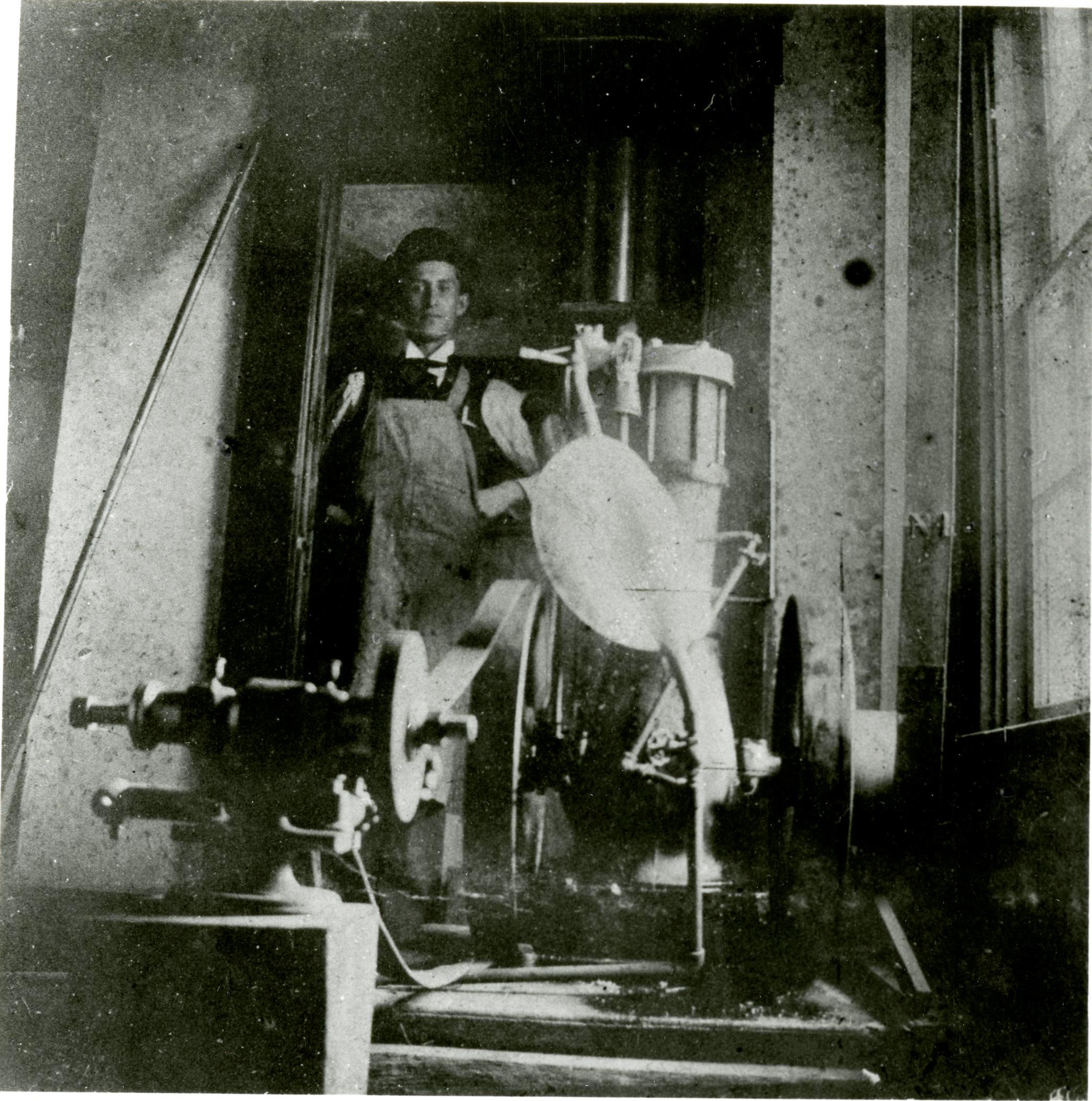
Wilbur and Orville Wright operated a bicycle shop at 1127 West Third Street from 1895 to 1897. It was here, between repairs and rentals, that the brothers began applying the principles of bicycle mechanics — balance, control, and propulsion — to the problem of flight.
On December 17, 1903, at Kitty Hawk, North Carolina, Orville made the first powered, controlled, heavier-than-air flight in history. The aircraft was designed and built in Dayton. The neighborhood where they lived and worked is now part of the Dayton Aviation Heritage National Historical Park.
Paul Laurence Dunbar
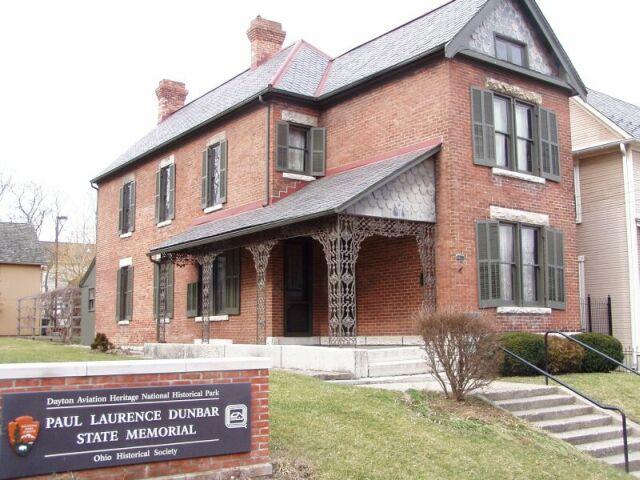
Paul Laurence Dunbar was born in Dayton on June 27, 1872, the son of two formerly enslaved people. He attended Dayton Central High School, where Orville Wright was a classmate. Dunbar served as editor of the school newspaper. He and Orville Wright remained lifelong friends.
Dunbar became one of the first African American poets to achieve national literary recognition, praised by Frederick Douglass and William Dean Howells. His home at 219 North Summit Street is now a State Memorial and museum, preserved as it was when he lived there.
“I know why the caged bird sings, ah me,
When his wing is bruised and his bosom sore—”
Dayton’s answer
to Harlem.
Two blocks south of West Third Street, West Fifth Street — known as The Nickel — was the cultural and commercial heart of Dayton’s Black community from the 1920s through the 1950s. Shops, restaurants, jazz clubs, two extraordinary theaters, and nationally known performers made it a neighborhood within a neighborhood: a self-sufficient world built by and for a community that was largely shut out of the rest of the city.
The first.
Built and operated by Carl Anderson and Goodrich Giles at a cost of over $175,000, the Classic Theater was the first theater in the United States built, owned, and operated solely by African Americans. It held 500 on the main floor and 100 in the balcony — with a 600-person ballroom upstairs where live acts performed. Constructed in direct response to the discrimination Black audiences faced at other Dayton venues, the Classic stood as an act of both defiance and architecture. It closed in 1959 and was demolished in 1991.
Dayton's Apollo.
Opened Christmas Day 1927 with 1,200 seats, the Palace Theatre was the largest and most celebrated entertainment venue on The Nickel. Historians and community members compared it directly to the Apollo Theatre in New York City's Harlem. The Palace hosted stage shows through the early 1950s — including the famous Midnight Rambles, late-night performances that drew audiences from across the city. It closed in 1957 and was demolished in 2002.
The late-night shows that built a scene.
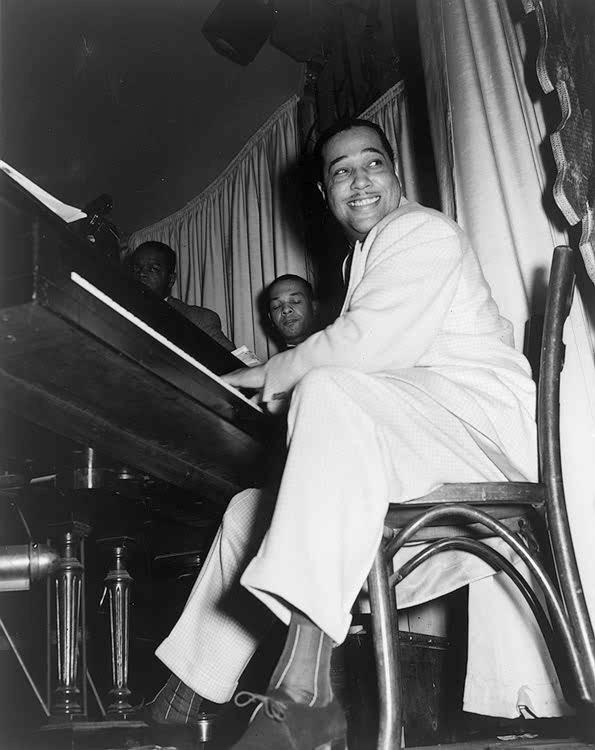
The Midnight Rambles were a fixture of Black entertainment venues during the Jim Crow era — late-night performances that ran after the regular shows ended, often featuring the same headline acts in a looser, more intimate setting. At the Palace Theatre on West Fifth Street, they became a defining part of the neighborhood’s cultural life.
The Palace Theatre and The Nickel entertainment district hosted nationally known jazz, blues, and comedy performers, including artists such as Duke Ellington, Ella Fitzgerald, Count Basie, Dinah Washington, Dizzy Gillespie, and Billy Eckstine — figures who traveled the historic Black entertainment circuit at its peak.
The artists who came through.
The following performers are documented — through historical records, press accounts, and oral history — as having appeared on West Fifth Street's stages.
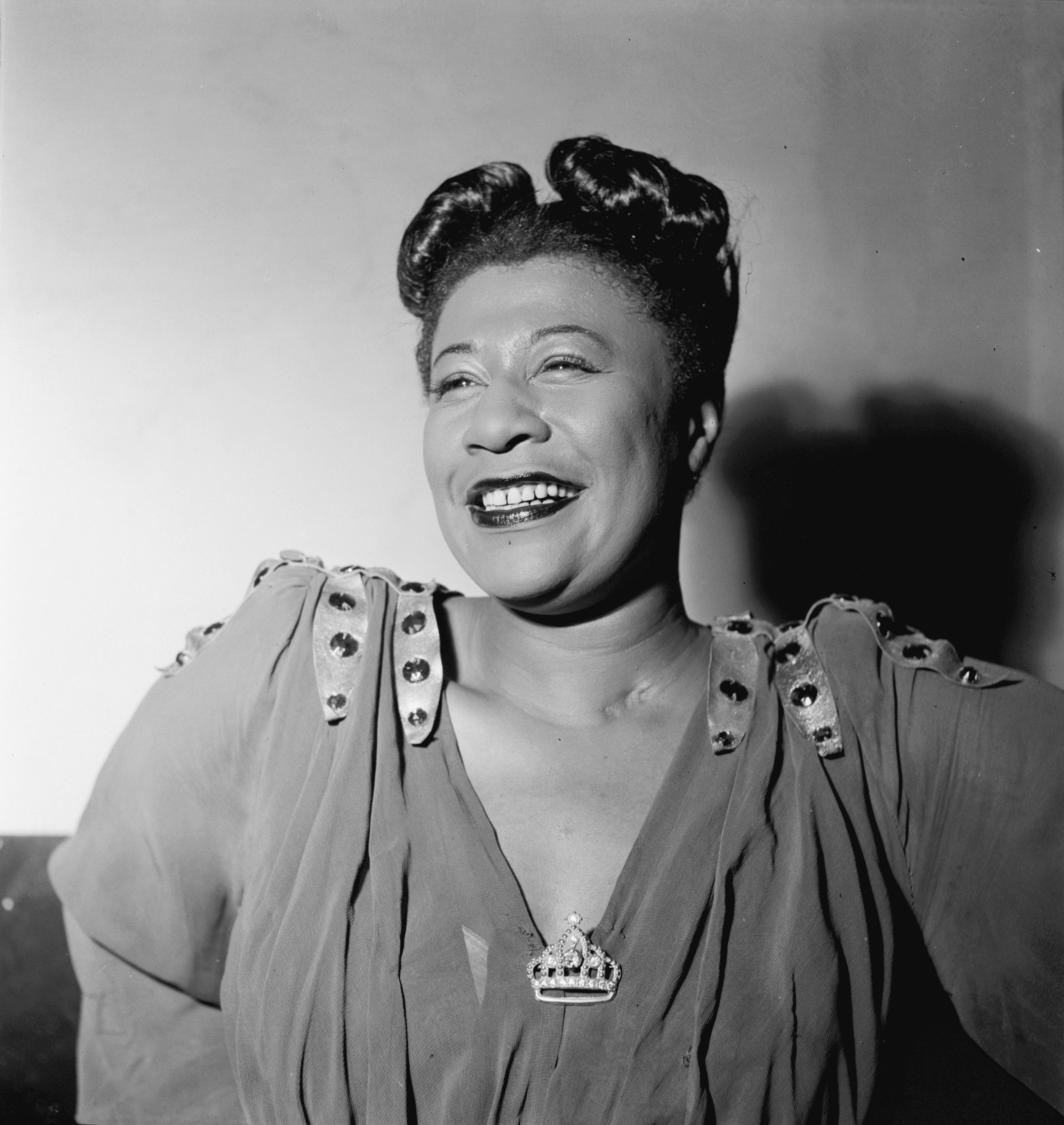
Documented at the Palace Theatre and Classic Theater — both venues on West Fifth Street.
Performed at West Fifth Street venues, confirmed through multiple historical accounts including Ted Ross's recollections of the Palace's Midnight Rambles.
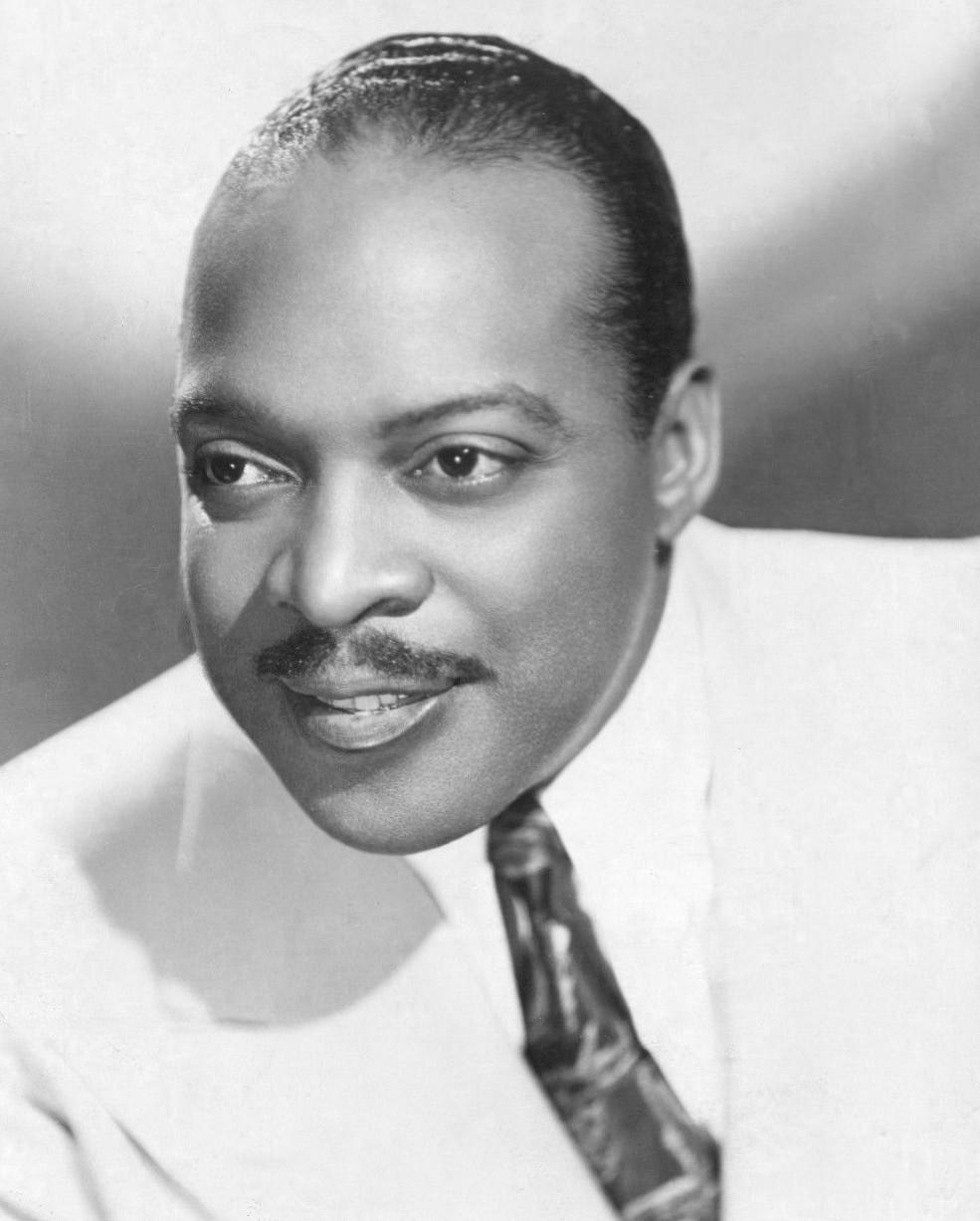
Documented performer at both the Palace Theatre and the Classic Theater ballroom on West Fifth Street.
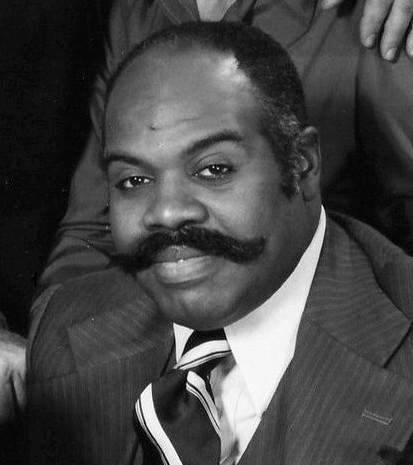
Ted Ross
When Ted Ross was a kid growing up on Dayton’s West Side, he was big for his age — big enough to dress up and talk his way into the Owl Club and the Palace Theatre’s Midnight Rambles. Inside, he watched Duke Ellington and the other acts who made West Fifth Street what it was. He later described the street as “Dayton’s answer to Harlem in the first half of the 20th century.”
In 1975, Ross won the Tony Award for Best Featured Actor in a Musical for playing the Lion in the original Broadway production of The Wiz — an all-Black reinterpretation of The Wizard of Oz. He recreated the role in the 1978 film alongside Diana Ross and Michael Jackson.
He came home to Dayton permanently in 1997 and opened Your Place, a jazz club on West Third Street — two blocks from where he once sneaked into the Midnight Rambles. He died in Dayton in 2002.